There are moments in life when everything changes in an instant.
For me, that moment happened during a competition. I tore my bicep an injury that immediately disrupted not only my training but my entire routine. I’m highly active, competitive by nature, and golf is a serious part of my lifestyle. Suddenly, I couldn’t lift. I couldn’t train. Surgery was on the horizon. The recovery timeline was uncertain.
What made it even harder was that this wasn’t happening in isolation. At the same time, I was navigating unexpected stress in both my personal and professional life. I knew I needed more than just surgery I needed a thoughtful, structured plan for recovery.
That’s when I walked into the ny drip lounge.

Listening Came First
From the beginning, what stood out was that no one rushed the process.
We sat down and talked through everything my injury, imaging, the upcoming reconstructive surgery, my long-term goals, and what recovery realistically looked like. The focus wasn’t on selling anything. It was on timing, safety, and coordination with my orthopedic care.
Bloodwork was ordered and carefully reviewed. Options were explained clearly. Every step felt deliberate. I wasn’t being handed a one-size-fits-all solution I was being guided through a plan built specifically around my situation.
That mattered to me.
Read more: Finding My Energy Again: A NAD Drip Experience in the Hudson Valley
A Recovery Plan Built Around Real Life
The entire process felt collaborative.
The team worked around my surgery schedule, insurance logistics, lab coordination, and even the reality that I would temporarily have limited use of one arm. Small details like preparing syringes in a way that made things manageable for me post-surgery made a huge difference.
There was never a sense of shortcuts. Everything was done the right way.
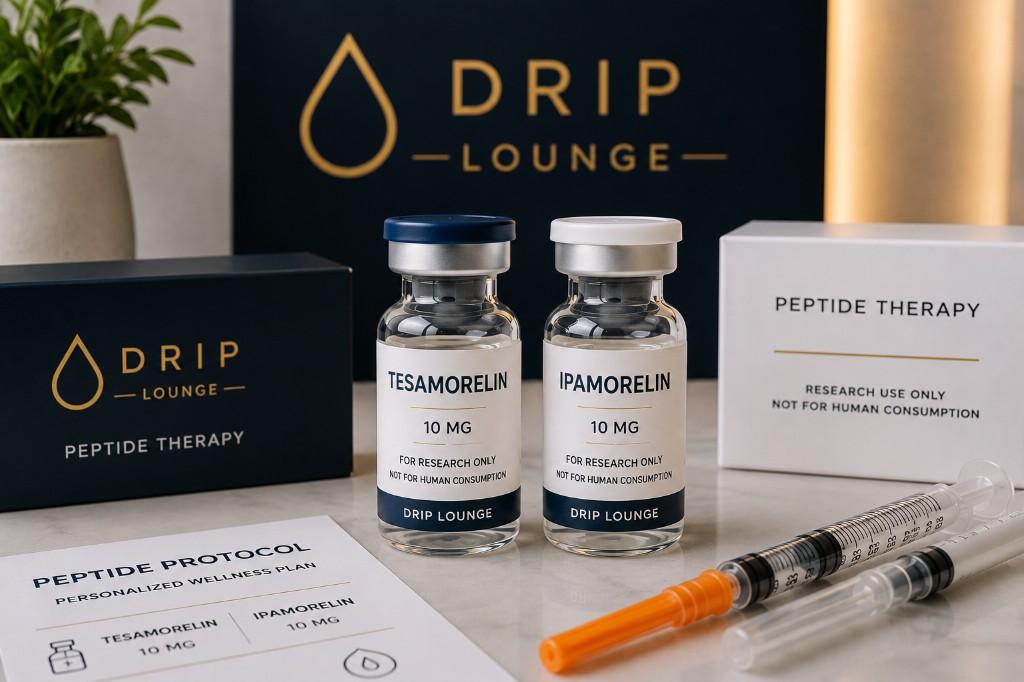
After my reconstructive surgery, peptide therapy became part of my recovery plan. Once my labs were cleared, we moved forward with the Wolverine protocol to support tissue healing and recovery. What gave me confidence wasn’t just the protocol itself it was knowing it was based on bloodwork, communication, and ongoing monitoring rather than guesswork.