Drip Lounge
Peptide That Makes You Look Tan? What Science Says About Tanning Peptides — Peptides

Peptide That Makes You Look Tan? What Science Says About Tanning Peptides

Feb 10, 2026 | Peptides

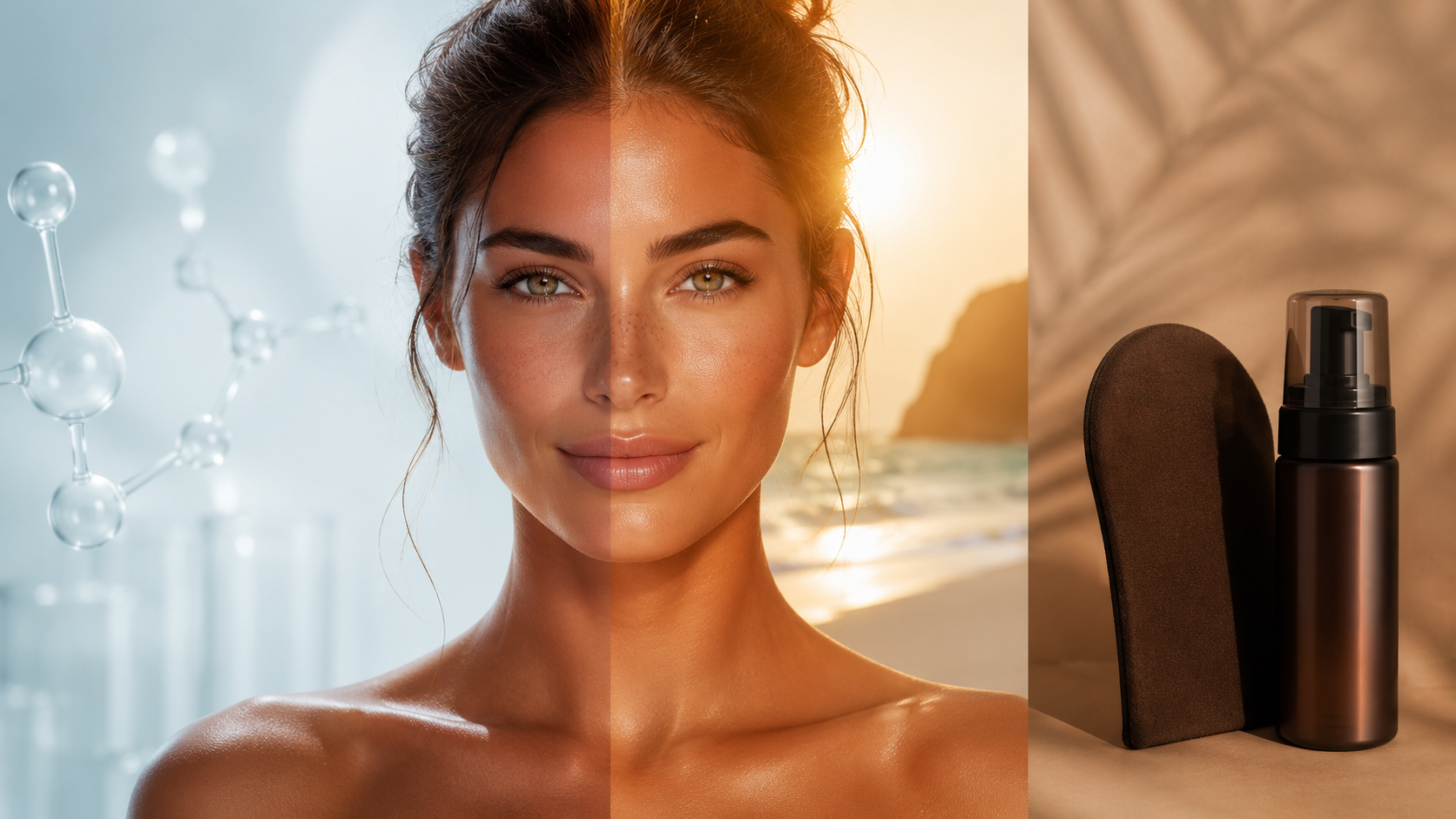
Some peptides are studied for their interaction with skin pigmentation, leading to curiosity about whether a peptide can make you look tan. Currently, no peptide is FDA-approved for cosmetic tanning, and most discussions come from early research or anecdotal reports. Skin pigmentation is complex, and artificially altering melanin carries risks. Safer alternatives include sunless tanning products and skincare approaches that support skin appearance without UV exposure or unregulated peptide use.

Introduction: Why People Are Searching for a “Tanning Peptide”

Interest in achieving a bronzed, sun-kissed appearance has shifted significantly in recent years. More people are actively searching for sunless tanning alternatives that don’t involve prolonged UV exposure. This change is driven by growing awareness of the risks associated with sun damage, including premature skin aging and increased skin cancer risk.

As a result, online searches and wellness discussions increasingly include questions about peptides that might influence skin tone. This article explores what people are asking, what science currently understands, and most importantly what remains uncertain.

This content is educational only. It does not offer cosmetic or medical guarantees and should not replace advice from a licensed dermatologist or healthcare provider.

Our peptide therapy services nyc:

Is There Really a Peptide That Makes You Look Tan?

The short answer is: there are peptides studied for their interaction with skin pigmentation pathways, but no peptide is approved as a cosmetic tanning treatment.

Much of the public discussion around “tanning peptides” comes from early-stage research, anecdotal reports, or underground biohacking communities. These conversations often outpace the available clinical evidence, which is why caution and context are essential.

How Skin Pigmentation Works (Simple Explanation)

Skin color is largely determined by melanin, a pigment produced by specialized skin cells called melanocytes.

Under normal circumstances:

  • UV exposure stimulates melanocytes

  • Melanin production increases

  • Skin darkens as a protective response

Because UV exposure carries long-term risks, many people are curious whether pigmentation can be influenced without sunlight, leading to interest in peptides and other alternatives.

Read more: The Wolverine Stack for Athletes: Recovery, Muscle Repair, and Training Longevity

The Peptide Most Often Mentioned: Melanotan (Educational Overview)

⚠️ This section is provided strictly for education and awareness.

What Is Melanotan?

Melanotan refers to a class of synthetic peptide analogs designed to interact with melanocortin receptors in the body. These peptides were originally researched for potential medical applications—not cosmetic tanning.

Why It’s Associated With a “Tanned” Appearance

In research and anecdotal reports, Melanotan is associated with:

  • Increased melanin production

  • Darkening of skin tone over time

However, these effects are not standardized, vary widely between individuals, and have not been approved or validated for cosmetic use.

Read more: What Is Peptide Therapy? A Beginner’s Guide to Benefits, Types, and Safety

Why Melanotan Is Controversial

This topic requires careful framing due to safety and regulatory concerns.

Key issues include:

  • No FDA approval for cosmetic tanning

  • Inconsistent quality and sourcing

  • Lack of standardized dosing

  • Limited long-term safety data

Medical professionals strongly caution against:

  • Self-administration

  • Products purchased online or from unregulated sources

Read more: Peptide Therapy for Depression: Can CJC-1295 and BPC-157 Improve Mental Health?

Common Side Effects Discussed in Research & Reports

Reported side effects in studies and case reports include:
  • Nausea

  • Flushing

  • Uneven pigmentation

  • Darkening of existing moles or freckles

  • Unknown long-term safety profile

These reports underscore why medical oversight is critical when discussing any peptide-based intervention.

Why There Is No “Safe Tanning Peptide” Approved for Use

Skin pigmentation is biologically complex. Artificially altering melanin production can affect:

  • Skin cells

  • Existing moles

  • Long-term skin health

For this reason, medical and cosmetic communities prioritize:

  • Skin protection

  • Controlled aesthetic outcomes

  • Long-term safety over short-term cosmetic trends

At present, no peptide meets the safety and efficacy standards required for approved cosmetic tanning use.

Safer Alternatives to Achieve a Sun-Kissed Look

For individuals seeking a bronzed appearance without UV exposure, safer options include:

  • Topical sunless tanning products

  • Professional spray tanning

  • Skin tone–enhancing skincare routines

  • Glow-focused wellness approaches, such as hydration and antioxidant support

These methods focus on appearance without interfering with skin pigmentation biology.

Who Should Avoid Peptide-Based Pigmentation Approaches Entirely

Peptide-based pigmentation approaches should be avoided by individuals with:

  • A history of melanoma or skin cancer

  • Multiple or atypical moles

  • Autoimmune or hormonal conditions

  • No access to licensed medical supervision

Read more: How IV Drips Help You Burn Fat and Recover Faster

Frequently Asked Questions

Is there a peptide that makes you tan?

Some peptides are studied for pigmentation pathways, but none are approved for tanning.

Is Melanotan safe?

It is not FDA-approved, and safety concerns remain.

Can peptides permanently change skin color?

Long-term effects are not well understood.

Are there medical uses for pigmentation peptides?

Some were researched for medical indications, not cosmetics.

Final Thoughts: Skin Health Comes Before Skin Tone

Cosmetic trends should never outweigh safety. While curiosity around tanning peptides is understandable, no peptide currently offers a proven, safe way to achieve a tan. Long-term skin health, cancer prevention, and professional guidance should always come first.

Anyone considering peptide therapies should consult licensed medical professionals and prioritize evidence-based care.

Our Services:

Back to Peptides

Contact Now

(845) 391-0338 | nydriplounge@gmail.com
5177 Route 9W, Suite 2, Newburgh NY 12550

Peptide That Makes You Look Tan? What Science Says About Tanning Peptides | NY Drip Lounge