The Symptom Overlap: Low T vs. Depression
One of the biggest challenges is that the symptoms of low testosterone and depression can look remarkably similar, making it easy to misdiagnose the problem or miss one of the conditions entirely.Common Signs of Low Testosterone
Testosterone is the primary male hormone, but it does much more than just regulate sex drive. It's crucial for mood, energy levels, muscle mass, and mental focus. When levels drop below the normal range (typically under 300 ng/dL), you might experience:- Persistent fatigue and low energy 😴
- Decreased sex drive (libido) or erectile dysfunction
- Mood swings, irritability, or sadness
- Loss of muscle mass and strength
- Weight gain, especially belly fat
- "Brain fog" or trouble concentrating
- Poor sleep quality
How Depression Often Appears in Men
Depression isn't always about profound sadness. In men, it frequently shows up as anger, frustration, or emotional withdrawal. Men are more likely to throw themselves into work, isolate from loved ones, or develop unhealthy coping habits. Physical symptoms are also common. Research, including a large-scale study using data from the National Health and Nutrition Examination Survey (NHANES), suggests a link between testosterone levels and the somatic (physical) symptoms of depression. Specifically, the study found that in men, very low testosterone was weakly associated with appetite problems, while very high testosterone was linked to sleep problems and tiredness. This highlights a key point: if you're feeling depressed, the physical exhaustion, sleep issues, or changes in appetite you're experiencing could be directly tied to your hormone levels.The Biological Connection: How Hormones Affect Your Head
So, can low testosterone actually cause depression? The link is more than just a coincidence—it's rooted in your brain chemistry. Testosterone plays a vital role in regulating neurotransmitters, the brain's chemical messengers that control your mood and cognitive function. When testosterone is low, it can throw this delicate system out of balance.- Dopamine: Known as the "motivation molecule," dopamine regulates feelings of pleasure and reward. Low T has been shown to reduce dopamine activity, which can lead to a lack of motivation and an inability to feel joy—two classic signs of depression.
- Serotonin: Often called the "feel-good chemical," serotonin is a key mood stabilizer. Testosterone helps keep serotonin receptors sensitive, so when T levels are low, your mood can suffer.
- GABA: This neurotransmitter has a calming effect on the brain. Low testosterone can reduce GABA activity, making you more susceptible to anxiety and irritability.
The Vicious Cycle
This creates a frustrating downward spiral. Low T can contribute to symptoms of depression, and the chronic stress, poor sleep, and high cortisol (stress hormone) levels associated with depression can further suppress your body's testosterone production. Many men get caught in this loop, treating one issue without realizing the other is holding them back. Read more: Your First Testosterone therapy Consultation: What to Expect and How to PrepareGetting Answers: Is It Low T, Depression, or Both?
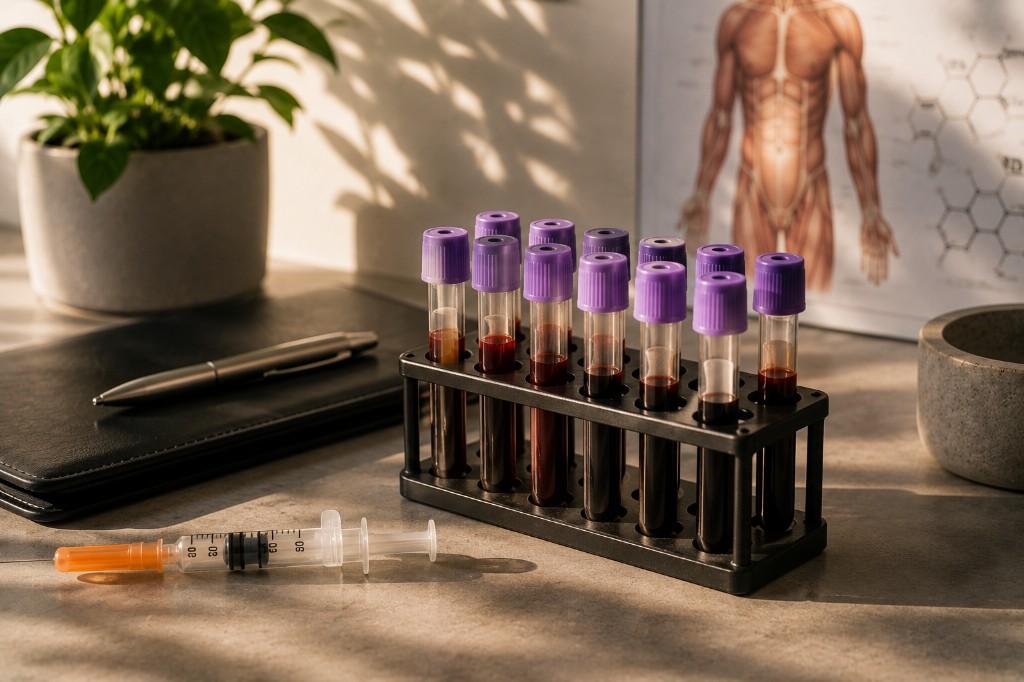
Because the symptoms overlap so much, guessing is not a strategy. The only way to know for sure if a hormonal imbalance is contributing to your mental health struggles is to get tested. A simple blood test can reveal your total and free testosterone levels, giving you a clear picture of what's happening inside your body. Signs that Low T might be the underlying issue include:- Your mood changes are accompanied by low libido or erectile dysfunction.
- Your depressive symptoms developed gradually alongside physical changes like fatigue or weight gain.
- You've seen minimal improvement from traditional antidepressants or therapy.
How Testosterone Replacement Therapy (TRT) Can Help
At NY Drip Lounge, our Testosterone Optimization Therapy (TOT) is designed to restore balance safely and effectively.Benefits of TRT for Men:
- Boosts energy & motivation
- Improves mood & mental clarity
- Reduces fatigue & irritability
- Enhances libido & performance
- Supports muscle mass & fat metabolism
- May reduce risk of long‑term depression relapse
Supportive Lifestyle Changes
Alongside medical treatment, certain lifestyle habits can support both your mood and your hormone levels:- Strength Training: Lifting weights is a proven way to naturally boost testosterone.
- Balanced Diet: Focus on healthy fats, lean protein, and nutrient-rich foods.
- Prioritize Sleep: Aim for 7-9 hours of quality sleep per night, as sleep deprivation crushes testosterone levels.
- Manage Stress: Practice mindfulness, exercise, or hobbies to keep cortisol in check.
FAQs About TRT and Depression
- Can testosterone therapy help with depression? Yes. Research shows TRT reduces depressive symptoms in men with clinically low testosterone, especially when mood issues stem from hormonal imbalance.
- Once you start testosterone therapy, can you stop? You can, but stopping TRT without medical guidance may cause your levels (and mood) to drop again. Always consult your provider before making changes.
- What are the ideal testosterone levels on HRT? For most men, 600–900 ng/dL is considered the “sweet spot” for both physical and mental health benefits.
- Is TRT safe long‑term? Yes, when monitored by professionals. At NY Drip Lounge, we regularly track labs and adjust your therapy for maximum safety.
- How soon will I feel results from TRT? Many men notice mood and energy improvements within 3–4 weeks, with continued benefits over several months.