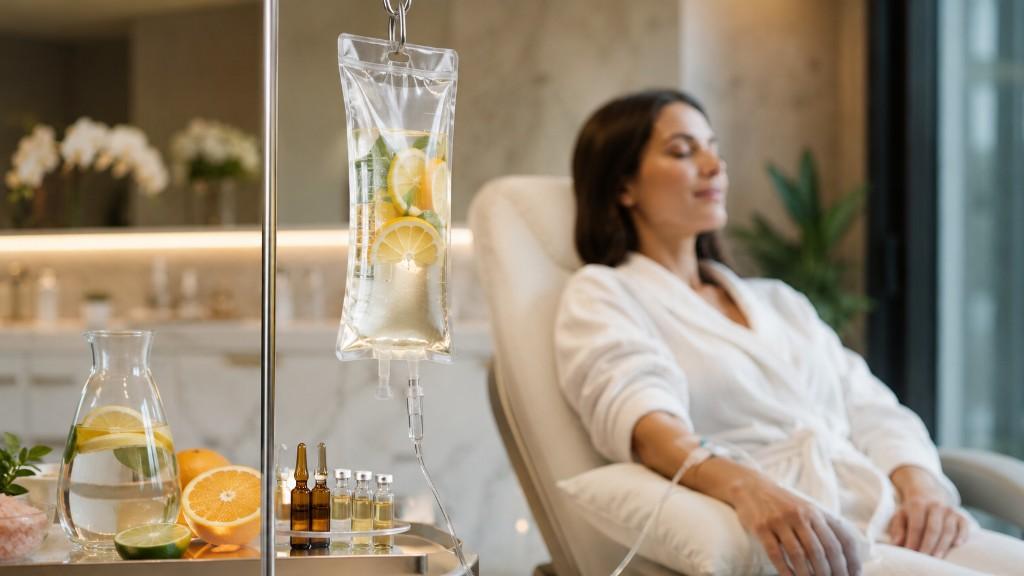
Why Hydration Matters More During Pregnancy
During pregnancy, the body requires additional fluids to support:- Increased blood volume
- Amniotic fluid production
- Nutrient transport to the fetus
- Temperature regulation
- Morning sickness and vomiting
- Reduced appetite or difficulty tolerating fluids
- Fatigue, lightheadedness, or dizziness
- Illnesses that cause fluid loss
What Is IV Hydration Therapy?
IV hydration therapy involves delivering fluids directly into the bloodstream through an intravenous line in a clinical or medically supervised setting. Key differences between oral hydration and IV hydration include:- Oral hydration: Relies on digestion and absorption, which can be difficult during nausea or vomiting
- IV hydration: Bypasses the digestive system, allowing fluids to be delivered directly into circulation
When IV Hydration May Be Considered During Pregnancy
IV hydration is not routinely recommended for pregnancy wellness. However, licensed medical providers may evaluate hydration support in specific situations, such as:- Persistent nausea or vomiting affecting fluid intake
- Difficulty keeping fluids down despite dietary changes
- Signs of dehydration identified by a healthcare provider
- Recovery from illness causing temporary fluid loss
Safety Comes First: Medical Oversight Is Essential
Pregnancy requires a higher level of caution with any wellness or medical intervention. Before any IV therapy is considered, providers must review:- Trimester of pregnancy
- Medical history
- Current pregnancy conditions
- Medications and supplements
- OB-GYN guidance or approval
What May Be Included and What Is Typically Avoided
Generally Discussed by Providers
- Fluids for hydration
- Electrolyte balance (when medically appropriate)
Commonly Avoided Without OB Approval
- High-dose vitamins
- Herbal additives
- Non-essential supplements
What IV Hydration Is Not
To set appropriate expectations, IV hydration during pregnancy is not:- A treatment for pregnancy complications
- A replacement for prenatal vitamins
- A cure for morning sickness
- A routine wellness service for pregnant patients
Who Should NOT Consider IV Hydration Without OB Clearance
IV hydration should not be pursued without explicit medical approval in cases involving:- High-risk pregnancies
- Preeclampsia or blood pressure concerns
- Kidney or heart conditions
- Pregnancy-related complications
- Anyone without direct healthcare supervision
Questions to Ask Your Healthcare Provider
If hydration support is being discussed, consider asking:- Is IV hydration appropriate for my pregnancy?
- Which ingredients are considered safe for me?
- How does this fit into my prenatal care plan?
- Are there safer alternatives to try first?
Frequently Asked Questions
Is IV hydration safe during pregnancy?
Safety depends on individual health factors and medical oversight. IV hydration should only be considered with healthcare provider approval.Can IV fluids help with morning sickness?
IV fluids may help address dehydration caused by vomiting, but they do not treat the underlying cause of morning sickness.Are vitamins safe in IVs while pregnant?
Not all vitamins or dosages are appropriate during pregnancy. OB-GYN approval is essential.Do I need approval from my OB-GYN?
Yes. OB-GYN awareness and guidance are strongly recommended before any IV hydration during pregnancy.Is IV hydration better than drinking fluids?
IV hydration is not “better” it is situational and only considered when oral hydration is not sufficient.Pregnancy Wellness Requires Extra Care
Every pregnancy is unique. Hydration decisions should always prioritize safety, individualized medical guidance, and evidence-based care over convenience. Open communication with licensed healthcare providers is the safest way to determine what support is appropriate during pregnancy. Read more: Hydration + Glow: Fighting Dull Skin & Low Energy in WinterLocal Access to IV Hydration Services
For individuals seeking IV therapy services in the Hudson Valley, medically supervised care is available in multiple communities, including:- IV therapy in Newburgh
- IV therapy in Middletown
- Peekskill
- IV therapy in Sloatsburg
- IV therapy in Washingtonville
- Rhinebeck
- Scarsdale
- IV therapy in Westchester
- Amenia
- IV therapy in New Paltz
- Highland
- Fishkill
- Wappingers Falls
- Purchase